Practical tools for your mental wellbeing
Learn, reflect, and grow with expert created guides, activities, and challenges
Worksheets and Resources by
Explore a curated collection of psychology tools, resources, and evidence-based articles to support your mental well-being and professional growth.
These tools are intended solely for educational use.
7 Weeks well-being challenge
Transform your life based on the seven powerhouses of motivation!
Conceptualised by Dr. Swati Karve
How it works:
1
Take pre-assessment
2
Do daily activities
3
Track progress
This challenge will help you channelize your energies through these Powerhouses:
Self-efficacy
Gratitude
Praise
Optimism
Creativity
Charity
Spirituality
Pre-assessment
Before you begin the 7 Weeks Challenge, please complete the following two self-assessments. These tools will give you a starting point to track your growth and well-being throughout the challenge.
1. Perceived Stress Scale (PSS)
The Perceived Stress Scale is a widely recognized tool that helps you understand how you perceive and handle stress in your daily life. By reflecting on your thoughts and feelings over the past month, it highlights how stress may be affecting your well-being and provides insight into areas for improvement.
2. Positive and Negative Affect Schedule
The PANAS scale measures your emotional state by capturing both positive and negative feelings. It provides a snapshot of how often you experience emotions like joy, excitement, anxiety, or sadness—helping you better understand the balance of your emotional well-being.
After completing both assessments, you’ll receive your scores along with an interpretation. Please record your results for future reference —they’ll help you reflect on your progress at the end of the challenge.
Your 7 Weeks Path to Well-being
Over the next 7 Weeks, you’ll be guided through small, practical activities designed to strengthen the seven powerhouses of motivation — Awareness, Autonomy, Belonging, Competence, Curiosity, Purpose, and Resilience.
Each day introduces a simple, research-based exercise you can do on your own. The activities are intentionally short and focused, so you can easily fit them into your routine and gradually build lasting habits for better mental and emotional well-being.

Take it one day at a time. Stay consistent. By the end of the challenge, you’ll have developed skills and strategies you can continue to use long after these 7 Weeks.
Below is a snapshot of the reflective journal for each day. To get guided updates for the challenge, register below!
Want to take the challenge and start your journey to mental wellness?
POWERHOUSE #1 - SELF-EFFICACY
- Self-efficacy is concerned with 'what I believe I can do'. It is the belief that we have in our ability to deal with various situations and plays an important role in how we feel, think, behave, and motivate ourselves.
- It helps in reducing stress, enhances well-being, and promotes optimism.
- In a difficult situation, a high sense of self-efficacy will help us view the situation as a challenge to be mastered rather than a threat. It helps us bounce back from any setbacks or failures and maintain our trust in ourselves, that is closely related to resilience and a sense of control.
- Being aware of our strengths will help us develop confidence in abilities and boost our self-efficacy.
POWERHOUSE #2 - GRATITUDE
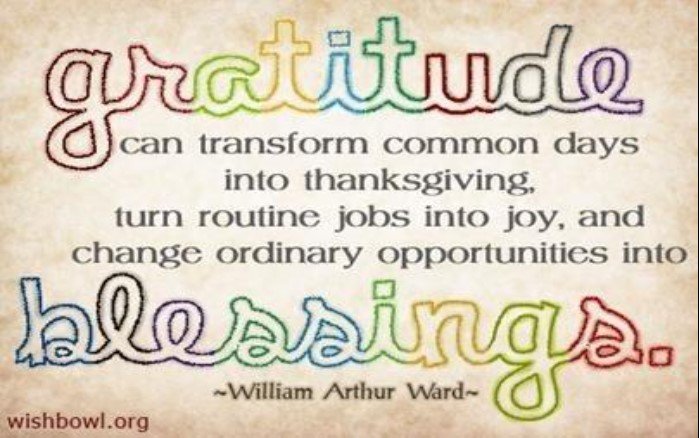
- Gratitude can be defined as a tendency towards appreciating the positive things in life. It is being thankful for the simple pleasures in life and being grateful for everything that you have.
- It is an emotion, an attitude, a way of living, and has shown a positive effect on happiness, well-being, and life satisfaction.
- Practicing gratitude helps to shift the focus to the positives in our life rather than the difficulties, the hassles, the worries, and the negative aspects of life.
- Expressing gratitude creates positive emotions like happiness, love, satisfaction, and reduces negative emotions and stress. Being grateful and expressing it helps to develop and strengthen our relationships.
POWERHOUSE #3 - PRAISE
- In our daily life, we often focus on the negative of things that we should improve but overlook, the good that is present in us, in others, in the situations and the surrounding.

- Appreciation means acknowledging this good in ourselves, other people, our surroundings, or any event that happens.
- Praising means not just recognizing the good but also expressing it through words. Complimenting ourselves, or others, reduces negativity, creates a sense of positivity and helps to develop a good relationship.
- A simple ‘good job’ can do wonders for any relationship and fill the other person with a sense of satisfaction and happiness.
- Praise others and yourself for efforts that are put in, any achievement, even looks, and prized possessions.
- So, start complimenting people around you and yourself too.
POWERHOUSE #4 - OPTIMISM
- Optimism is an attitude to anticipate favorable outcomes and to view situations in a positive light.
- However, optimism is not just limited to anticipating positive outcomes, it is also related to developing resilience, feeling in control in any situation, and leading a meaningful life.
- Optimism does not mean to avoid or deny the occurrence of negative events but rather to cultivate a mindset that encourages us to deal with the challenges.
- Being optimistic helps to control negative emotions such as fear, worry, frustration, that may be experienced and to come up with creative ways to overcome the challenges.
- Adopting an optimistic attitude in situations will truly set an example for others and inspire them to view any negative situation more positively.
POWERHOUSE #5 - CREATIVITY
- Creativity is the act of transforming new and imaginative ideas into reality. It is a tendency to generate or discover new ideas, solutions, and possibilities.
- When we think creatively, we can recognize connections between things that are not usually related and come up with new ideas.
- Creativity opens up our minds to explore out of the box solutions to problems that may normally be hidden.
- By being creative, we can translate our visions into reality and innovate new methods of doing things.
- When we are engrossed in creating something new, we divert our attention from problems or difficulties we may be facing.

- Innovating something new, turning ideas into reality, finding inventive solutions to problems, makes us feel energized and also reduces negative emotions that we may be experiencing
POWERHOUSE #6 - CHARITY
- Charity means helping those who are in need. It is about being selfless in giving to others.
- Not just donating money, but charity ranges right from lending a listening ear to people’s problems, giving emotional support, to providing essentials. It is an act of kindness.
- Even though charity is about altruistically giving to others, it is beneficial to the person who does the charity. There are many internal rewards that we achieve when we engage in charity.
- Being able to help gives us a greater sense of satisfaction and makes us happy. Interacting with people in need makes us understand their issues and problems and we can sympathize with them.
- It also helps us develop empathy for others. We experience empathy when we understand and share the feelings of others.
- Developing empathy and sympathy helps in nurturing our relationships
POWERHOUSE #7 - SPIRITUALITY
- Sense of connection with something bigger than ourselves. It is about searching for the meaning of life and understanding our deeper selves.
- Everyone may experience spirituality differently
- It could be meditation for some, saying a prayer or being involved in religious activities for others.
- Spirituality is not the same as religion, but religion can affect spiritual life
- Spirituality is linked to reduced stress, emotional well-being, happiness and peace
- Practicing spirituality leads to increased positive emotions of kindness, gratitude, compassion, love, appreciation, and inspiration. These positive emotions help us to connect with others and form stronger relationships.